
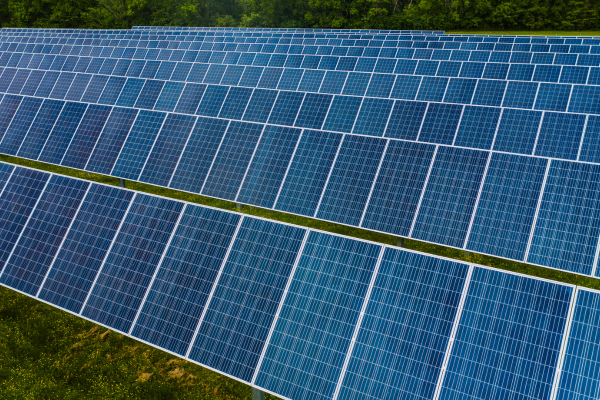
Utility-scale solar energy development continues to generate significant increases in property tax revenue for counties across North Carolina, according to a new report released by the NC Sustainable Energy Association (NCSEA).
The Increased North Carolina County Tax Revenue From Utility-Scale Solar – 2025 Update report, which tracks increases in property tax revenue as a result of utility-scale solar (USS) development in North Carolina, shows counties experienced an average 1,801% increase in property tax revenues on parcels of land with USS after the projects were built. This resulted in a total increase of nearly $17.6 million statewide across the 78 counties analyzed in property tax revenue on land where solar was built.
These findings are built on nearly two decades of solar market tracking by NCSEA. Since 2007, the organization has monitored solar project development through its Renewable Energy Database (REDB). The report also compares property tax payments made before and after solar development, using data collected directly from county tax offices. NCSEA began this analysis in 2017 to better assess the localized economic impact of solar energy investment across the state.
The revenue generated by solar development supports critical public services such as education, emergency response, and health care. These fiscal benefits complement the broader contributions of the solar industry, which supports nearly 10,000 jobs in North Carolina and has attracted more than $1.2 billion in renewable energy investment as of 2022.
A key policy mechanism supporting this growth is North Carolina’s personal property tax abatement for solar equipment. By reducing the taxable value of installed systems by 80%, the abatement lowers development costs and enables more projects to move forward. These investments lead to sustained increases in local property tax revenues. Preserving this abatement will be essential to maintaining the economic momentum seen across the state.
The story of George Draper, a landowner in Anson County, offers a real-world example of how North Carolina’s current abatements for solar development support local economies. Since leasing his 38-acre property to Strata Clean Energy in 2015, Draper has received reliable income from the solar project while Anson County has benefited from increased property tax revenue that helps fund essential services like schools and public safety. These abatements also incentivize solar companies like Strata to operate in North Carolina, making it possible for more counties across the state to benefit from the clean energy economy. (You can read more about George’s story on NCSEA’s blog here.)
NCSEA Executive Director Matt Abele says the results of the new report “continue to demonstrate the significant positive economic impact that clean energy projects bring to all corners of the state. These projects are vitally important to many communities across North Carolina, who depend on the tax revenue to support schools, roads, and first responders. Therefore, it’s imperative that we continue to advance the regulatory and policy landscape necessary to ensure these investments continue to support our farmers and landowners for decades to come.”
The full Increased North Carolina County Tax Revenue From Utility-Scale Solar – 2025 Update report is available on NCSEA’s website.