
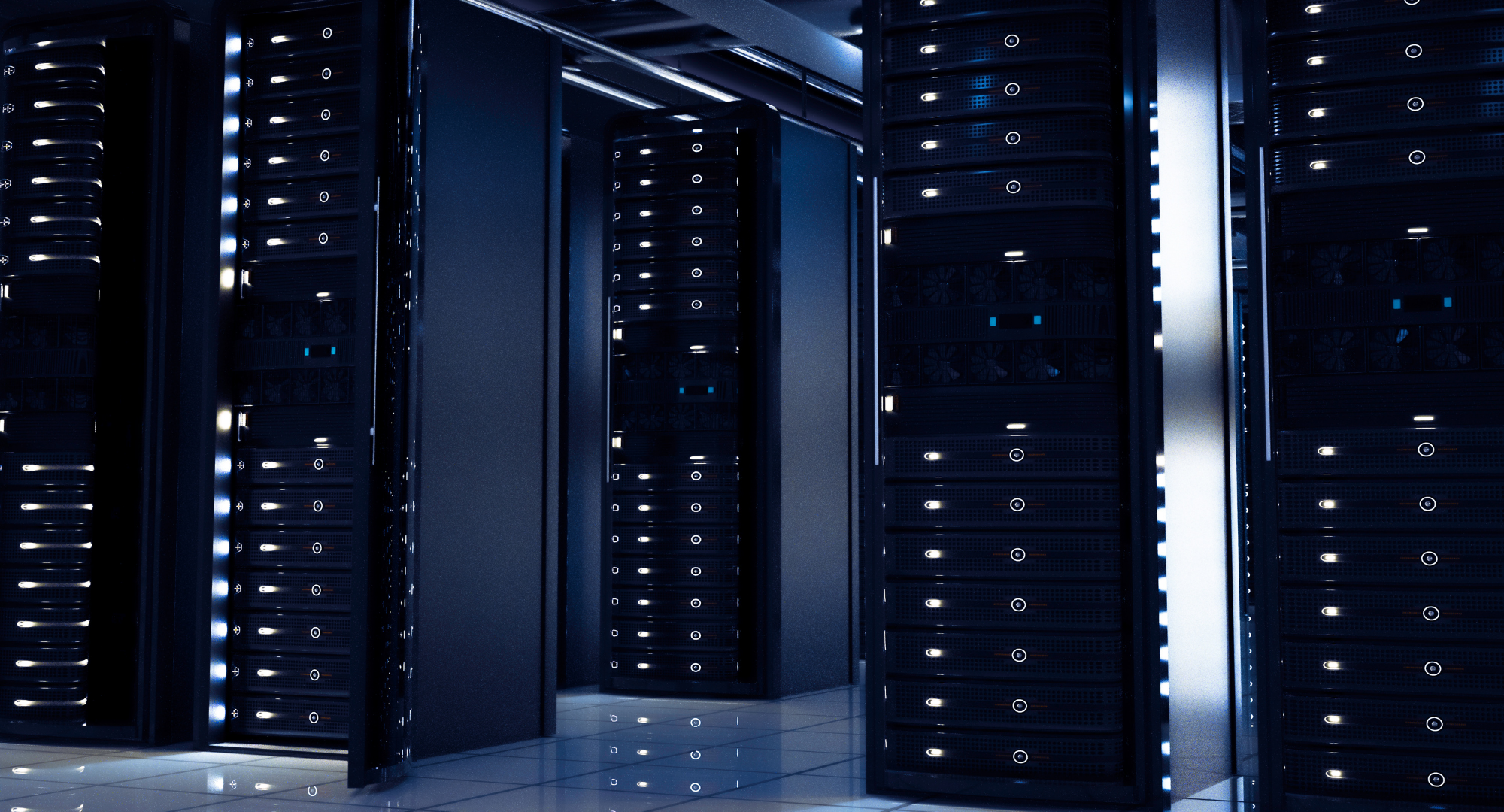
Artificial Intelligence (AI) has taken the world by storm and continues to become more integrated in our lives every day. To support this surge in data consumption, there has been a sharp increase in the number of announced data centers to keep pace with the demand. The U.S. Department of Energy found that data centers consume 10 to 50 times more energy per square foot than typical office buildings. In fact, a 2024 report from the North Carolina Utilities Commission (NCUC) estimates that data center-related electricity demand could add hundreds of megawatts to Duke Energy’s grid over the next decade, which is equivalent to powering a small city. Some areas that could be significantly impacted include the Charlotte Metro, Triangle, and Piedmont Triad regions.
In the face of these astonishing energy use statistics, many have expressed concerns about how to approach energy planning and cost allocation for data centers. Some state legislatures have considered policies to split up the cost of building new energy generation facilities to power these data centers between the data center companies and other ratepayers. In addition to potentially unfairly raising electric rates for residential ratepayers, there are concerns about how data centers affect the environment and communities living near them. Data centers require large amounts of water for cooling and produce a large amount of electronic and toxic waste, and can produce significant noise. Low-income communities cannot afford to bear the costs of increased rates, as their energy burden can range from 6% to 30% of their monthly costs even before accounting for the anticipated increase in bills from data centers.
With 85 data centers located in the state, North Carolina is seeing firsthand the rise of this industry. In addition to NCUC opening a technical conference on large load additions, state legislators introduced bills related to the expansion of data centers and energy procurement practices. Notably, House Bill 638 and House Bill 1002 were introduced in the 2025 long session. HB 638, “Equit. Escalation of Electricity Demand Act,” sponsored by Rep. Donnie Loftis (R – Gaston), would require new data centers that need dispatchable power to take responsibility for securing it, either through building their own systems or contracting directly with the utility. If these centers produce more power than they use, they would be allowed to sell the excess back to the electric utility at wholesale rates, and any profits from those sales would be split between the utility and the data center. This bill was not taken up by a committee for consideration, but nonetheless, its filing indicates interest in this topic.
HB 1002, “Rate Payer Protection Act,” sponsored by Rep. Pricey Harrison (D – Guilford), would prohibit utilities from charging residential ratepayers for the electricity costs of large commercial data centers, which are defined as data centers using 100 megawatts or more. Instead, it would require those costs to be paid directly by the data centers through separate rates. It also proposes a Special Commission for Data Center Planning to study grid capacity, forecast future needs, and recommend policies or legislation to support infrastructure development. This commission would hold hearings, request documents, and deliver a report to state leaders. HB 1002 is intended to protect residential ratepayers from paying for a disproportionate amount of the energy costs of data centers while giving data centers certainty that their demand will be met and support in ensuring that they have access to grid infrastructure needs. This bill also wasn’t taken up by a committee for consideration.
Many other states have explored and enacted policies to manage data center power procurement. In the Southeast, Georgia and Virginia legislators introduced bills that provide potential pathways to balance data center buildout with consumer protections and incorporate clean energy resources. Georgia’s Senate Bill 34, sponsored by Sen. Chuck Hufstetler (R- Rome), would require data centers to pay for the grid upgrades they have, rather than passing those costs to residential customers. This bill did not meet the legislative crossover deadline, but is eligible for consideration in 2026, the second year of the biennium. Similar to HB 1002, this bill would protect residential ratepayers from unfair cost burdens and hold data centers accountable for their impact on grid infrastructure.
Virginia’s House Bill 2578, introduced in January 2025 and sponsored by Delegate Richard C. (Rip) Sullivan Jr. (D – Fairfax), proposes connecting data center tax exemptions to clean energy goals use and emissions standards, requiring them to source a portion of their electricity from renewables by 2030, use low-emission backup generators by 2027, and invest in energy efficiency. It also called for studies on alternative fuels, waste heat reuse, and new tariffs to help large customers access clean energy and was referred to the House Committee on Labor and Commerce but failed to advance any further. Creating policy options for data centers to use clean energy can significantly lower carbon emissions and can be financially beneficial to data centers.
Given the anticipated growth of data centers in North Carolina, it is important to ensure that low-cost clean energy is included in a diverse, reliable portfolio of energy options for data centers to feed their operations. At the beginning of 2024, Duke Energy reached an agreement with Amazon, Google, Microsoft, and Nucor to establish “Accelerating Clean Energy” (ACE) tariffs, which creates new pathways for large customers to support the clean energy transition by combining on-site generation, flexible energy use, and targeted investments. By aligning their corporate sustainability goals with utility planning, programs like ACE can ease grid strain from growing data center demand while accelerating deployment of renewable energy across the region. Further, the size of this type of expected load growth necessitates creative policy solutions that hold data centers accountable for taking on a fair proportion of the cost of new energy generation. On a similar note, there should be thoughtful consideration of how data centers impact nearby communities. North Carolina’s decisionmakers can utilize bills from other states to inform policies to prioritize the community, energy efficiency, and the environment when considering data center buildout. Above all else, it is a critical time for policymakers to incentivize or require industries that use large amounts of energy to pursue cleaner energy sources to power their operations and energy efficiency to reduce the energy burden for other customers, especially for those least able to afford rising bills.