
available blocks
Our Work
The NC Sustainable Energy Association drives public policy and market development for clean energy. Our Work enables clean energy jobs, economic opportunities, and affordable energy options for North Carolinians.
Carbon Plan (CPIRP)
Every two years, the NC Utilities Commission is charged with the responsibility of drafting a plan to achieve 70% carbon emissions reductions by 2030 and net zero by 2050 in the electricity sector. Learn more about how NCSEA is engaged in these proceedings.
Transmission and Interconnection
To better enable deployment of utility-scale clean energy resources, NCSEA is actively engaged in the Carolinas Transmission Planning Collaborative and various other Commission proceedings focused on transmission and interconnection.
Customer Programs
Across the state, commercial and residential customers are constantly seeking opportunities to deploy their own clean energy solutions as a means to reduce utility bills and increase resiliency. NCSEA is advocating on behalf of those customers to increase the amount of affordable, accessible programs readily available.
Freedom to Buy Vehicle Sales
North Carolina is one of 11 states in the country that currently forbids direct to consumer automotive sales (with the exception of Tesla). These sales limitations stymie the growth of electric vehicles and run counter to the business models of many new, innovative companies.
Utility EV Pilots
NCSEA has been actively engaged in regulatory proceedings to spearhead new programs designed to accelerate EV adoption and curb load growth in this new era of electrification. Learn more about the programs currently authorized and under consideration by the NC Utilities Commission.
Third Party Sales
Up until 2019, only regulated utilities were allowed to sell electricity in North Carolina. NCSEA worked with numerous partners to advance a law that opened the door for charging stations to bill customers by the kilowatt hour, instead of by time.
Inclusive Utility Investments
North Carolina currently experiences some of the highest levels of energy burden in the country with low-to-moderate income households spending ~19.8% of their monthly income on utility bills. NCSEA and partners recently collaborated with Duke Energy to implement a new inclusive utility investment program designed to address this significant energy burden.
Building Codes
Currently, the state is operating under 2009 standards for our residential building codes, significantly behind the 2021 IECC standards. Recently passed state legislation prevents the Building Code Council from adopting new standards until 2031. Learn more about NCSEA's efforts to improve home affordability and resiliency through updated building codes.
C-PACE
North Carolina recently authorized Commercial Property Assessed Clean Energy financing as a means to further enable large customers to adopt clean energy technologies.


What’s New
at NCSEA
Check out the latest sustainable energy news and upcoming events.
blog
Ajulo Othow: Pursuing a Future Powered by Equity, Diversity, & Inclusion
Mar 04, 2022
This feature is part of NCSEA’s ongoing focus on diversity in clean energy and the importance of creating an accessible, affordable future for all.
event
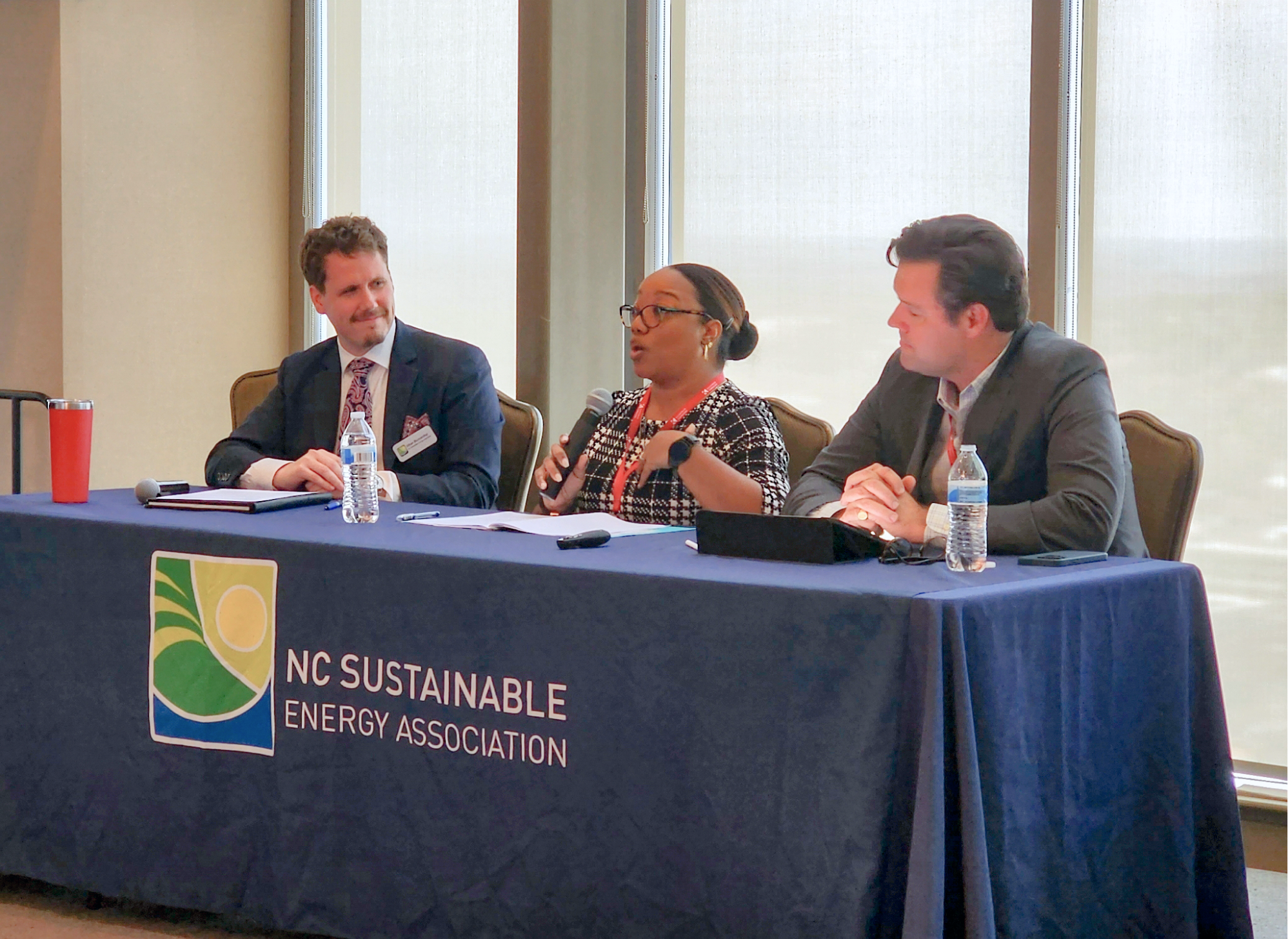
Making Energy NetWork Policy Forum – Charlotte
Sep 26, 2024
Join us as a panel of experts outline the state of energy efficiency/electrification policies and incentives in North Carolina, and where we’re tracking towards our state’s goals.
map
Southeast Energy Storage Facilities
Jul 11, 2024
See More:
WHO WE ARE
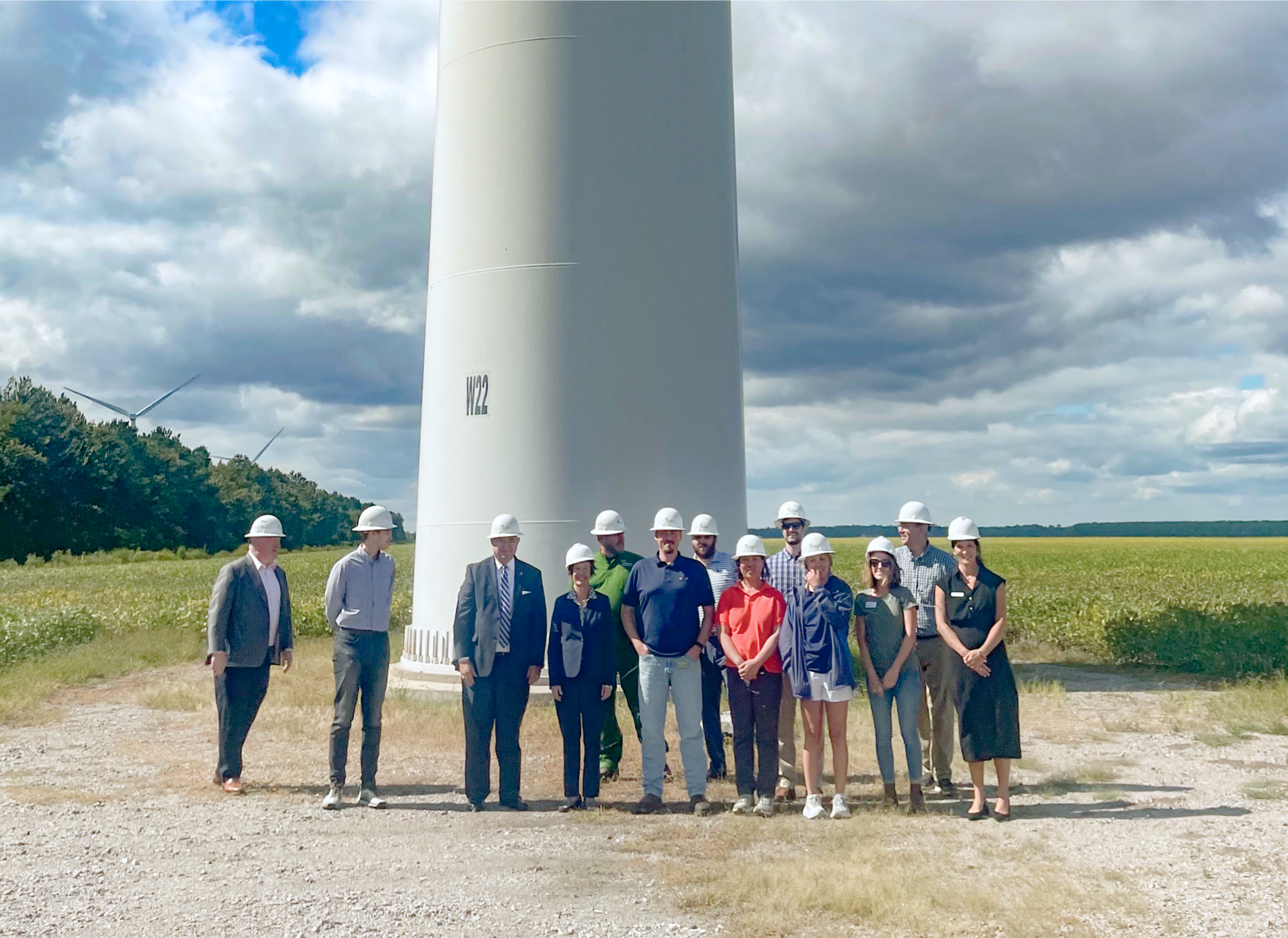
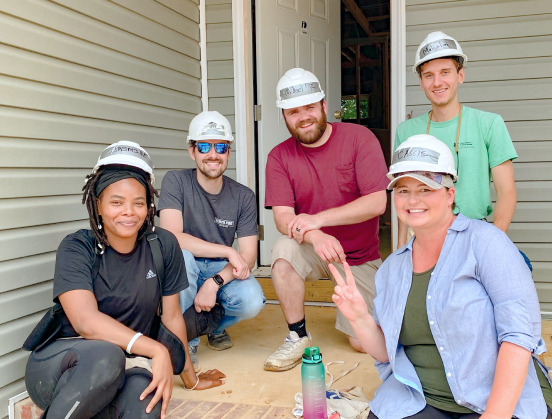
Our team of policy, legal, data, and clean energy experts bring decades of experience to tirelessly advocate on behalf of clean energy market solutions for all North Carolinians.
podcast
Episode 124: Winds of Policy Change
Apr 17, 2025
event
From Billions to Trillions: Catalyzing Private Investment in Climate Solutions
Apr 09, 2025
Decarbonizing the global economy and increasing climate resilience worldwide will require trillions of dollars, largely from private sector investors.
event
BSC Career Speaker Series: Transitioning to Sustainability Panel
Apr 16, 2025
Join the Career Speaker Series hosted by the Business Sustainability Collaborative!
event
Triangle Sustainable Professionals Meet Up
Mar 27, 2025
Join your Triangle-based sustainability peers for an afternoon of discussion and community.
blog
Senate Bill 261 to raise electricity rates, adds risk to ratepayers for “construction work in progress”
Mar 21, 2025
event
Addressing Extreme Heat Through Faithful Community Resilience
Mar 27, 2025
As extreme heat intensifies across the Carolinas, communities face rising energy costs, disproportionate health risks, and increasing pressure on local infrastructure.
December 30, 2024
Time Period Headline
Lorem ipsum dolor sit amet consectetur. Eget dapibus dolor elementum nunc maecenas. Nulla netus suspendisse quis eleifend. Diam vitae nibh sit metus libero. Etiam eu ante nam elit quis malesuada in.
December 30, 2024
Time Period Headline
Lorem ipsum dolor sit amet consectetur. Eget dapibus dolor elementum nunc maecenas. Nulla netus suspendisse quis eleifend. Diam vitae nibh sit metus libero. Etiam eu ante nam elit quis malesuada in.
December 30, 2024
Time Period Headline
Lorem ipsum dolor sit amet consectetur. Eget dapibus dolor elementum nunc maecenas. Nulla netus suspendisse quis eleifend. Diam vitae nibh sit metus libero. Etiam eu ante nam elit quis malesuada in.
December 30, 2024
Time Period Headline
Lorem ipsum dolor sit amet consectetur. Eget dapibus dolor elementum nunc maecenas. Nulla netus suspendisse quis eleifend. Diam vitae nibh sit metus libero. Etiam eu ante nam elit quis malesuada in.
JEDI
Joule (J)

















Text With Image Left
Lorem ipsum dolor sit amet consectetur. Eget dapibus dolor elementum nunc maecenas. Nulla netus suspendisse quis eleifend. Diam vitae nibh sit metus libero. Etiam eu ante nam elit quis malesuada in.
Learn More| Customer | Rebate Rate | Duke Energy Progress | Duke Energy Carolinas |
| Residential | 60 ¢/watt, up to $6,000 | Minimum of 5 MW/year | Minimum of 5 MW/year |
| Business/Non-Residential (commercial, industrial) | 50 ¢/watt, up to $50,000 | No minimum | No minimum |
| Nonprofit (schools, places of worship) | 75 ¢/watt, up to $75,000 | Minimum of 2.5 MW/year | Minimum of 2.5 MW/year |